Les Miserables - 2015
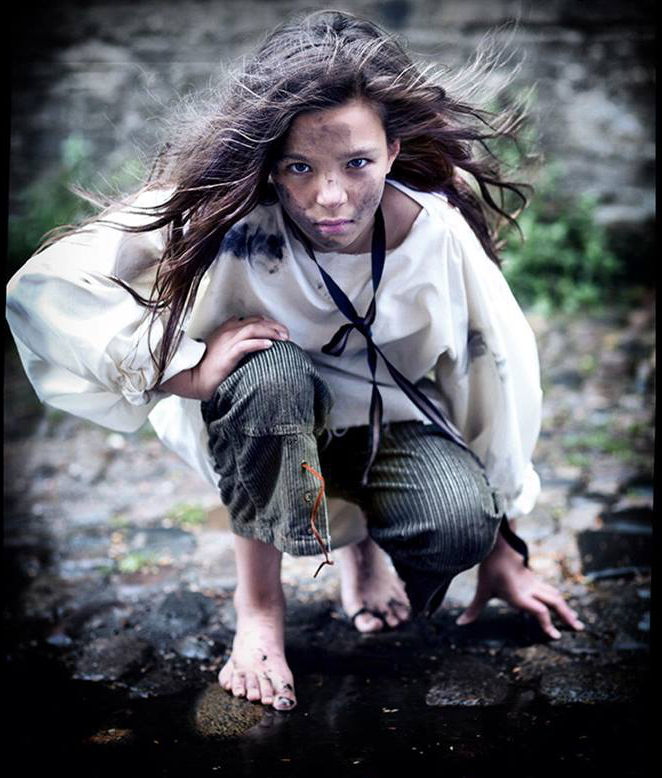
Description
While Les Misérables is a work of fiction, it is set in very real events that had a profound effect upon Victor Hugo. During the period of the play C1815 to 1832 France went through dramatic and tragic events. The cholera epidemic mentioned in the play cost the lives of over eighteen thousand people in Paris alone. The political situation was desperate with various factions pulling in different directions. Napoleon had been defeated and there was essentially a power vacuum which eventually was filled by King Louis Philippe, who many saw as a usurper of the rightful line. Still more didn’t want a king at all. These problems were exacerbated when General Lamarque succumbed to cholera and the people took to the streets and they erected barricades to bring Paris to a standstill. The government reacted to this by deploying the army and 3000 protesters (Republicans) were confronted with 30,000 troops.
Victor Hugo was in Paris during this conflict and had to hide in doorways to escape the fighting. The insurgents had taken control of the eastern and central districts of Paris. He saw the protestors and the barricades brought down by cannon as the army showed no mercy and ended the protests as quickly as possible.
This uprising is little remembered now but for its appearance in Les Misérables. The protesters may not have gained much by their efforts during the rebellion but the reign of Louis Philippe finally ended in 1848 and the painful lessons learnt in 1832 meant that the failure was not repeated.
The characters created by Victor Hugo are as real as any that lived through those times. Spare a thought for the real people, as we watch the lives of Les Misérables unfold.
Cast List
- Jean Valjean Martin Hunt
- Inspector Javert Colin Horne
- Narrator George Sigsworth
- Thénardier Ian Toombs
- Mme Thénadier Tess Vyse
- Fantine Rebecca Hawker
- Mme Magliore, Mme Gribier, Factory Girl #2, Prostitute Anna Cornell
- Monseigneur Myriel, Soloist at Barricade David Tipple
- Mlle Baptistine Sara Halse
- Mme Victurnien Barbara Phillips
- Fauchelevent, Prisoner, Labourer, Policeman, Concertina Man Colin Ransom
- Marguerite, Mme Rondeau, Factory Girl #1 Larissa Simpson
- Bamatabois, Judge, Prisoner, Labourer, Accosted Man Tom Bonser
- Prosecuter Harry Yeo
- Champmathieu, Prisoner #1 Tony Baker
Unfortunately no images have been added for this production